Author: Shiro

  • Effortless Vacation Looks: Protective Styles Perfect for Exotic Destinations

    Effortless Vacation Looks: Protective Styles Perfect for Exotic Destinations

    Dreaming of sun-drenched beaches, lush rainforests, or vibrant city streets? Traveling to exotic destinations is exciting, but for those with textured tresses, maintaining a healthy, gorgeous mane can be a real challenge. Humidity, saltwater, and constant movement can wreak havoc if you’re not properly prepared. Fortunately, with the right protective styles and thoughtful planning, you can spend less time fussing over your look and more time savoring every adventure. Let’s explore stylish, low-maintenance solutions that help your natural beauty shine while traveling far and wide.

    Best Protective Styles to Brave Humid Destinations

    When humidity is high, the key to thriving is choosing protective styles that lock in moisture and shield your strands. One top option many travelers love is Tape In Extensions because they blend beautifully with natural textures and provide a lightweight, seamless look that doesn’t add stress to your roots. These extensions are perfect for keeping your mane styled and secure during high-activity adventures like snorkeling or hiking.

    Other great protective styles for humid places include:

    • Box Braids: Long-lasting and versatile, ideal for everything from swimming to exploring markets.
    • Faux Locs: Provide a natural look while offering the durability needed for extended trips.
    • Cornrows: Sleek and close to the scalp, minimizing frizz while offering a chic aesthetic.
    • Wigs with Breathable Caps: If you prefer flexibility, lightweight wigs are excellent for switching styles without manipulating your real tresses.

    These styles not only help retain moisture but also limit the exposure of your mane to harsh environmental factors.

    How to Avoid Frizz and Dryness While Traveling

    Frizz and dryness are two of the most common struggles when traveling, especially in tropical locales. One smart solution is using Kinky Curly Clip In Hair Extensions to add volume and definition without needing to constantly manipulate your natural texture. These extensions are designed to match tighter curl patterns and blend effortlessly, reducing the need for daily styling.

    In addition to using texture-matching pieces, here are some effective tips to combat frizz and dryness:

    • Hydrate Before and During Your Trip: Deep condition your tresses thoroughly before departure, and pack leave-in conditioners rich in oils like argan or jojoba.
    • Protective Nighttime Routines: Sleep with a satin or silk scarf/bonnet or use a silk pillowcase to retain moisture.
    • Limit Washing: Over-washing strips natural oils, so opt for co-washing (using conditioner instead of shampoo) while abroad.
    • Carry a Travel-Sized Moisturizing Spray: Refresh your coils and curls throughout the day without heavy buildup.

    By proactively managing moisture and using the right add-ons, you can maintain a radiant, frizz-free crown throughout your journey.

    Low-Maintenance Hairstyles for Long Getaways

    When you’re jet-setting from city to city, easy and durable styles are your best friend. You want looks that stay flawless with minimal effort. Some traveler-approved, low-maintenance styles include:

    • Twist Outs with Clip-Ins: After a twist-out set, adding matching clip-ins can give your mane volume and style longevity.
    • Crown Braids: Perfect for keeping hair off your neck in hot climates while looking elegantly put-together.
    • Bantu Knots: Chic, bold, and easy to maintain — plus, you can unravel them later for beautiful curls.
    • Protective Ponytails: Secure your tresses in a low or high ponytail with a matching texture ponytail piece for quick glam-up.

    Traveling is about exploration, not spending hours on hair maintenance. Choosing styles that require little daily upkeep ensures more freedom to immerse yourself in every new experience.

    Matching Your Hair Texture with Extensions While Abroad

    One of the smartest hacks for maintaining a natural, carefree appearance while traveling is selecting extensions that perfectly match your hair’s texture. Not only does this create a seamless blend, but it also reduces the need for heat styling or excessive product use.

    Here’s how you can nail the perfect match:

    • Know Your Curl Pattern: Understand if your curls are 3C, 4A, 4B, or 4C to find extensions designed specifically for your texture.
    • Choose Human Hair Extensions: Human hair blends more naturally, especially in humid or tropical weather conditions.
    • Pre-Test the Match: Before traveling, install your extensions at home to make sure they blend well once exposed to moisture or different climates.

    Opting for texture-matching pieces makes it easier to pull off any look — from voluminous curls for a night out to a sleek updo for daytime sightseeing.

    FAQs About Protective Vacation Hairstyles

    Q1: How long before my trip should I install my protective style?
    It’s best to install your protective style about 3-5 days before traveling. This allows time to adjust and fix any discomfort before you’re in full vacation mode.

    Q2: Can I swim with protective styles like box braids or faux locs?
    Yes! Just make sure to rinse your mane with clean water after swimming and apply leave-in conditioner to keep your strands hydrated.

    Q3: What products are must-haves for maintaining hair health while traveling?
    Essential products include a leave-in conditioner, lightweight oil, travel-sized moisturizing spray, edge control, and a satin scarf or bonnet.

    Q4: How can I refresh my style without access to a salon?
    Carrying texture-specific curl refresh sprays and a small edge brush can do wonders. A quick braid or bun can also extend your style between washes.

    Conclusion:

    Vacationing to exotic destinations doesn’t have to mean sacrificing the health and beauty of your natural tresses. With the right protective styles, natural texture-matching solutions like extensions, and smart moisture maintenance, your mane will stay radiant and stress-free from takeoff to touchdown. Adventure awaits — and now, so does effortless beauty!

  • Travelers’ Guide: How To Spot A Comfortable Café Chair When Working Remotely?

    Travelers’ Guide: How To Spot A Comfortable Café Chair When Working Remotely?

    There’s a special kind of magic in finding the perfect café while traveling. It’s not just about the coffee or the ambiance—it’s about discovering a space that welcomes you in, invites you to stay, and becomes a part of your journey. For remote workers and digital nomads, that perfect café isn’t just a stop; it’s a temporary office, a place to create, connect, and soak in the local vibe. But there’s one detail that can make or break the experience: the chair.

    While the smell of fresh espresso and the playlist humming in the background can win your attention, it’s the seating that determines whether you stay for an hour or for the afternoon. Here’s how to spot popular cafe chairs—and why it matters when your laptop and your latte are your companions on the road.

    The First Impression: Setting The Tone

    Step into any charming café in the heart of Lisbon, the backstreets of Kyoto, or a sun-drenched Melbourne laneway, and you’ll notice one thing—character. Every good café has its own unique energy, and the chairs often offer the first hint.

    Look around. Are the chairs inviting or intimidating? Is there a mix of functionality and beauty, or is it all for show? You can tell a lot about the seating and how it fits into the café’s layout. Cozy nooks with plush cushions and soft wooden textures often signal comfort. Harsh, angular metal chairs without any padding? They might be more about aesthetics than usability.

    Beautiful café setups—those that make you want to pull out your notebook, camera, or laptop—tend to balance style with softness. Natural lighting, textured walls, the soft murmur of conversation, and of course, the right seating all blend to create that stay-a-while environment that remote workers crave.

    Bentwood: The Timeless Travel Companion

    One of the most beloved café chair styles around the world is the bentwood chair. With its iconic curves and lightweight design, it’s a favorite in classic European cafés—and for good reason. Originally made famous by Michael Thonet in the 19th century, bentwood chairs are not only visually appealing but surprisingly supportive.

    What makes bentwood such a win for remote workers is its ergonomic shape. The curved backrest offers gentle support, especially for the lower spine. When paired with a seat cushion or a sturdy wooden base, bentwood chairs can easily transition from breakfast café seats to full-day workstations.

    If you’re lucky enough to find a café with this kind of vintage-meets-modern setup—often seen in Parisian bistros, Kraków coffee corners, or design-savvy hotels in Prague—you’ve found a good place to settle in.

    Rattan Charm And Breezy Comfort

    Traveling through Southeast Asia, parts of the Mediterranean, or even coastal California, you’re bound to stumble upon rattan or wicker café chairs. Often paired with potted palms, terracotta tiles, and tropical motifs, these chairs bring a relaxed vacation vibe that’s hard to resist.

    But don’t let the beachy style fool you—rattan chairs can be a hidden gem for remote workers. The best ones offer a slight flexibility in the weave, which gives subtle movement and support while you work. Look for cafés that pair them with comfortable cushions or rounded seats for extra comfort.

    There’s a kind of slow-living rhythm that rattan chairs encourage. You’ll find them in open-air cafés in Bali, rooftop lounges in Athens, or quiet garden patios in Canggu. If your remote work includes writing, planning, or catching up with clients over Zoom, these chairs can offer both calm and comfort—plus the backdrop for a great Instagram photo.

    Industrial Steel: The Urban Edge

    When traveling through modern cities like Berlin, New York, or Tokyo, you’ll often encounter industrial-style cafés—think exposed brick, black steel chairs, and reclaimed wood tables. The chairs in these places are built tough, often using metal frames with minimalistic silhouettes.

    At first glance, industrial steel chairs might seem cold or too rigid. But many cafés soften the look (and the feel) by pairing them with padded seat covers, cozy throws, or sheepskin accents. When styled well, these chairs offer the best of both worlds: support for focused work and a contemporary aesthetic that makes you feel like you’re part of something cool and creative.

    If you’re doing design work, coding, or anything that requires a sharp focus, these environments—with their clean lines and efficient layouts—can help boost productivity. Just be sure to check the padding before committing to a long session.

    It’s Not Just The Chair—It’s The Setup

    A comfortable café chair is only as good as the setup around it. Pay attention to how the chair works with the table height. Is your laptop screen at eye level, or are you hunched over? Does the chair offer enough space for you to shift positions, cross your legs, or lean back?

    Some of the best cafés for remote work will offer little details like footrests, outlets nearby, and steady Wi-Fi. Combine that with a supportive seat, and you’ve got a winning formula.

    Also, trust your body. If you sit down and immediately feel the need to adjust, fidget, or stretch too soon, it might not be the best place to set up shop. On the other hand, if you find yourself sipping slowly, focused, and unaware of the time passing—that chair has done its job.

    Conclusion

    For many travelers working remotely, cafés are more than caffeine stops. They’re extensions of our living space. They’re where ideas are born, memories are made, and life unfolds one sip at a time. The next time you find yourself wandering unfamiliar streets in search of that ideal workspace, pay attention to the chairs. Look for signs of comfort, care, and charm. Whether it’s a classic bentwood in Vienna, a rattan lounger in Chiang Mai, or a sleek steel seat in Toronto, the right chair can transform your café visit into a productivity oasis.

  • How to Choose the Best Time for Everest Base Camp

    How to Choose the Best Time for Everest Base Camp

    Guide: TheBest Time to Trek EBC which provide trekkers with the optimal conditions to experience the breathtaking landscapes and views in the Himalayas. to go for the Everest Base Camp trek are spring (March to May) and autumn (September to November). During these months, the weather is relatively stable, there is plenty of clear skies and temperatures are mild, from weather and trail difficulty to the number of fellow trekkers you’ll meet along the route. The best times in Leh Ladakh When you go can have a big impact on your experience, affecting everything

    more trekkers will be on the trail. one of the peak seasons for trekkers. Those wanting to avoid crowds may find this challenging, though, as these are also the busiest seasons, when also grace the ride. Autumn has clear skies and moderate temperatures with less rain so this too is C (50 ° F to 59 ° F) at lower altitudes; Another point, in spring the weather is mainly dry, so trekking conditions are usually essential. Wildflowers blooming in spring months Spring: This season is also relatively mild, with temperatures between 10 ° C and 15 °

    experience they are looking for. mountains, and in the monsoon season, trails can be slippery and prone to landslides. The most appropriate time to trek basically relies on every individual’s preferences, fitness level, and type of trek is advisable to avoid this season. In winter, the temperature can get bitterly cold in the However, if you are looking for a bit of challenge, hiking in the winter (December to February) or monsoon (June to August) season is possible, but if you are a faint-hearted, it

    Everest base Camp Trek which provide trekkers with the optimal conditions to experience the breathtaking landscapes and views in the Himalayas. to go for the Everest Base Camp trek are spring (March to May) and autumn (September to November). During these months, the weather is relatively stable, there is plenty of clear skies and temperatures are mild, from weather and trail difficulty to the number of fellow trekkers you’ll meet along the route. The best times Best Time to Trek EBC When you go can have a big impact on your experience, affecting everything Guide: The

    more trekkers will be on the trail. one of the peak seasons for trekkers. Those wanting to avoid crowds may find this challenging, though, as these are also the busiest seasons, when also grace the ride. Autumn has clear skies and moderate temperatures with less rain so this too is C (50 ° F to 59 ° F) at lower altitudes; Another point, in spring the weather is mainly dry, so trekking conditions are usually essential. Wildflowers blooming in spring months Spring: This season is also relatively mild, with temperatures between 10 ° C and 15 °

    experience they are looking for. mountains, and in the monsoon season, trails can be slippery and prone to landslides. The most appropriate time to trek basically relies on every individual’s preferences, fitness level, and type of trek is advisable to avoid this season. In winter, the temperature can get bitterly cold in the However, if you are looking for a bit of challenge, hiking in the winter (December to February) or monsoon (June to August) season is possible, but if you are a faint-hearted, it

    for You Based on Your Level of Skill and Experience Deciding What is Right

    When is the best time for your Everest Base Camp trek package also want to allow extra time for acclimatization if you have limited high-altitude trek experience. drier and the temperatures are less extreme. No matter which season you choose, you’ll altitude, spring or autumn will be best, since conditions at that time of the year are worst. But if you are a beginner, you might want to consider the fall, when the weather is stable, the trails are skill level and experience. For experienced trekkers having already trekked in high highly depends on your

    Season Affect Trekking Conditions How Does Monsoon

    and preparation. the surrounding mountain peaks. For those hunting for a slightly quieter hike and don’t mind damp weather, this season may still be doable, but it takes more caution the risk of landslides, causing some parts of the trail to be unsafe. Most of the time, with clouds covering much of the peak, few have a clear view of deal harder. Furthermore, with the monsoon comes to August). Torrential rain, higher humidity, and muddy, slick trails make the trek a great Trekking in the Everest region is challenging during the monsoon season (June

    Changes in the Trek Preparing for Seasonal

    Everest Base Camp Trek Cost challenges of the season will let you attack the trek with confidence. are asked to winter trekking for icy weather conditions; winter mountaineering equipment should be thick in thickness, and equipped with frost resistance measures. Finding a way to prepare for the monsoon, invest in waterproof gear, walking sticks, and moisture-wicking layers. You pack light, daytime-warm layers, but don’t forget your cold-weather gear for the evenings. In trek and should be well understood when you plan. In spring and autumn, The seasonal differences are important for the success of your

    and Weather: The Impact Across Seasons On Acclimatization Altitude

    the It is necessary to adapt to the altitude, and this is especially true on Everest Base Camp trek Packagepacing are important at all times of the year. and winter, conditions may cause more trouble judging altitude-related symptoms, since cold or damp weather can exacerbate fatigue. So rest days, hydration, and acclimatize safely, particularly when trekking above 3,000 meters. In the monsoon be good for gradual acclimatization while the cooler temperatures and a clearer air can be beneficial for better breathing. Certainly, trekkers must take an appropriate itinerary to . Spring and autumn seasons may

    Is the Best Time for Your Schedule? Personal Preference: When

    and personal time constraints before choosing the season that suits you best. with the chances of rain during the monsoon or the bone-chilling cold during winter. Do consider your vacation schedule, for acclimatization days availability, you are flexible and want the best conditions, spring or autumn are the right choices. If your dates are set, you must be okay conditions, personal preferences and availability are also significant factors in the best time to trek. If Aside from the weather and

    for Everest Base Camp Final Thoughts: Choosing the Best Trekking Agency

    The many factors that determine your safety and enjoyment on a to Everest Base Camp trek bit about yourself, then your adventure will be successful and memorable! with extra caution necessary. If you grasp how weather, altitude, and trail conditions impact your Everest experience, and know a crowded trek, might want to plan for early or late in the season to be trekking. Monsoon and winter, if you’re up for the extra obstacles, can provide very rewarding experiences, albeit you’re looking for clear skies, mild temperatures ,and stable conditions, spring and autumn are best. But those who prefer a less are: when you decide to do it. If

  • Savoring History: Traditional Foods You Must Try In Prague And Budapest

    Savoring History: Traditional Foods You Must Try In Prague And Budapest

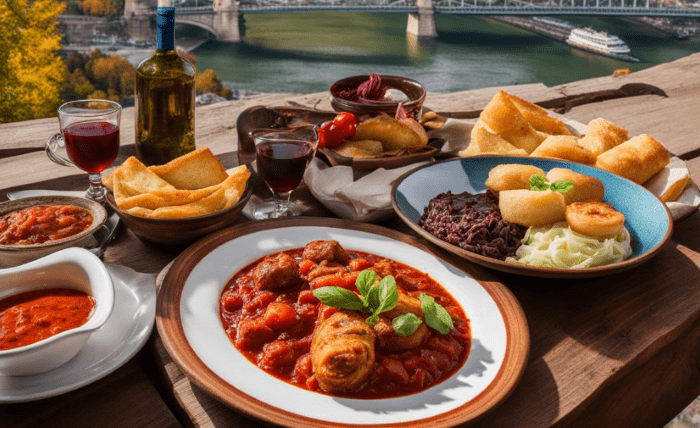
    When exploring Central Europe’s culinary wonders, Prague and Budapest are two cities rich in gastronomic delights. Each city offers a unique blend of traditional and modern flavors that reflect their vibrant cultures and histories. In Prague, visitors can indulge in hearty dishes such as Goulash, Svíčková (marinated beef with a creamy sauce), and Trdelník (a sweet pastry). The city’s cuisine is a testament to its Bohemian roots, offering a savory journey through centuries-old recipes.

    Traveling from Prague to Budapest opens up a new world of culinary experiences. Budapest is renowned for its diverse food scene, where Hungarian classics like goulash soup, lángos (fried dough), and chimney cakes tempt every palate. A Budapest food tour provides an immersive experience that allows travelers to taste the authentic flavors at local markets and restaurants while learning about the city’s rich culinary heritage.

    To make the most of this Central European culinary adventure, online travel agencies like Travelodeal offer curated packages highlighting these gastronomic treasures. These agencies provide expert guidance on must-visit eateries and hidden gems in both cities, ensuring travelers enjoy an unforgettable food journey from Prague’s charming streets to Budapest’s bustling markets.

    The Unique Flavors of Prague

    Prague, a city rich in history and culture, is also a culinary treasure trove that offers a delightful array of traditional Czech dishes. When exploring this enchanting city, indulging in its local foods is an experience not to be missed. Czech cuisine is known for its hearty and comforting flavors, with each dish telling a story of the country’s vibrant heritage.

    Svíčková: One must-try food in Prague is “Svíčková,” a classic Czech dish that features marinated beef sirloin served with creamy vegetable sauce, usually accompanied by bread dumplings. This dish perfectly encapsulates the essence of Czech cuisine: rich flavors and satisfying textures.

    Vepřo Knedlo Zelo: Another staple of Prague’s culinary scene is “Vepřo knedlo zelo,” which translates to roast pork with dumplings and sauerkraut. This traditional meal showcases the Czechs’ love for combining tender meats with tangy accompaniments, creating a harmonious balance on the palate.

    Trdelník: For those seeking something sweet, “Trdelník” offers a delicious treat. Although not originally from Prague, this pastry has become synonymous with the city’s street food culture. It’s made by wrapping dough around a stick, grilling it over an open flame until golden brown, then dusting it with sugar and cinnamon.

    Each dish provides a unique taste of Prague’s local foods and highlights why traditional Czech dishes are cherished both within the country and by visitors worldwide.

    Where to Eat in Prague?

    Prague, renowned for its stunning architecture and rich history, boasts a vibrant culinary scene that caters to every palate. Whether you’re a fan of fine dining or eager to explore local street food, Prague has something to offer. Here’s an informative guide to the city’s best restaurants and street food spots.

    Michelin Restaurants: For those seeking an upscale dining experience, La Degustation Bohême Bourgeoise is one of the best restaurants in Prague. This Michelin-starred establishment offers a modern take on traditional Czech cuisine with meticulously crafted tasting menus highlighting local ingredients. Another top choice is Field Restaurant, known for its innovative dishes and minimalist approach, providing diners with an unforgettable gastronomic journey.

    Street Food: If you prefer something more casual yet equally delicious, Prague’s street food scene won’t disappoint. Head over to Wenceslas Square or Old Town Square, where vendors serve classic Czech treats like Trdelník and Klobása, a savory grilled sausage perfect for enjoying on the go.

    Local Eateries: Local eateries in Prague also offer authentic experiences for travelers looking to immerse themselves in Czech culture. Lokál Dlouhááá is famous among locals and tourists alike for its hearty traditional dishes such as Svíčková and goulash served with dumplings. For those interested in vegetarian options, Lehká Hlava provides creative plant-based meals that are both satisfying and flavorful.

    This dining guide for travelers highlights just a few of the many culinary delights awaiting you in Prague.

    Taste of Budapest

    When exploring the vibrant city of Budapest, immersing yourself in the local culinary scene is an essential part of the experience. Hungarian cuisine offers a delightful journey for your taste buds with its rich flavors and hearty ingredients. Here are some traditional Hungarian dishes you must try during your visit to truly savor the flavors of Hungary.

    Gulyás: One iconic dish that stands out is Gulyás, commonly known as goulash. This comforting stew is made with tender beef, potatoes, and a generous amount of paprika—a spice that stars in many Hungarian recipes. It perfectly represents how simple ingredients can create deep, satisfying flavors.

    Lángos: Another must-try food in Budapest is Lángos, a popular street food that’s both delicious and indulgent. This deep-fried dough is typically topped with sour cream and cheese but can also be customized with garlic butter or even sweet toppings for those looking to satisfy their sweet tooth.

    Töltött Káposzta: For those who enjoy savory pastries, Töltött Káposzta (stuffed cabbage) offers a taste of tradition wrapped in cabbage leaves filled with seasoned meat and rice. This dish highlights Hungary’s love for combining robust meats with fresh vegetables.

    Dobos Torte: To complement these savory offerings, try Dobos Torte—a classic Hungarian dessert featuring thin layers of sponge cake filled with chocolate buttercream and topped with caramel glaze. It’s an exquisite way to end any meal on a sweet note.

    These traditional Hungarian dishes define the cuisine and tell stories of Hungary’s history and culture through their unique flavors.

    Best Dining Experiences in Budapest

    Budapest, a city renowned for its rich history and stunning architecture, also boasts a vibrant culinary scene that caters to every palate. Whether you’re seeking an exquisite fine dining experience or the bustling atmosphere of market halls, Budapest has something to offer.

    For those looking to indulge in the best restaurants in Budapest, several culinary hotspots should not be missed. Onyx and Costes are two Michelin-starred establishments that offer innovative dishes crafted with precision and flair. These venues showcase the pinnacle of Hungarian gastronomy, blending traditional flavors with modern techniques.

    Exploring the market halls is a must if you prefer a more casual yet authentic experience. The Great Market Hall is an architectural marvel and offers a unique dining experience where visitors can sample local delicacies such as Lángos and Kolbász (sausage). These bustling venues provide insight into Hungary’s culinary traditions while offering delicious bites at every turn.

    Beyond these options, the city’s diverse neighborhoods are dotted with charming restaurants and cafes for those wondering where to eat in Budapest. District VII, also known as the Jewish Quarter, is particularly famous for its eclectic mix of eateries serving everything from traditional Jewish cuisine to contemporary fusion dishes.

    Whether you’re drawn to high-end dining or crave the lively atmosphere of market halls, Budapest’s dynamic food scene promises unforgettable experiences for every food lover.

  • Where Do We Use Canvas Cotton Tents?

    Where Do We Use Canvas Cotton Tents?

    Canvas cotton tents are often used in situations where durability, breathability, and weather resistance are important. Here are some common places and situations where canvas cotton tents are used:

    1. Camping and Outdoor Adventures:

    • Family Camping: Canvas tents are ideal for family camping trips due to their durability and ability to handle various weather conditions. They offer better insulation and breathability compared to synthetic tents.
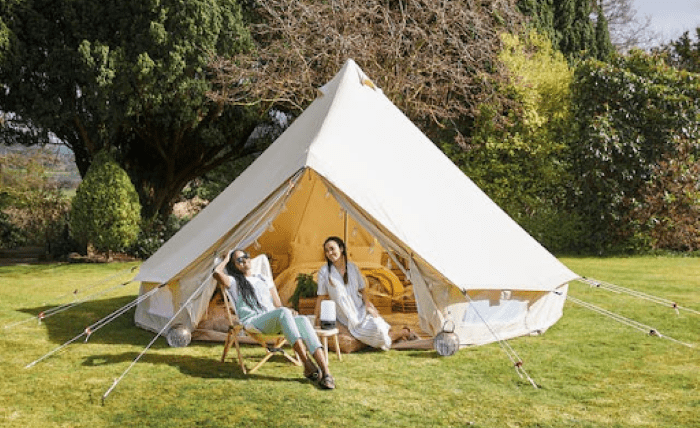
    • Glamping (Glamorous Camping): Canvas tents are frequently used in glamping setups. Their aesthetic and spacious interiors make them popular for luxurious outdoor experiences, especially when combined with furniture and comfortable amenities.

    2. Expeditions and Remote Locations:

    • Long-term Camping: Canvas cotton tents are favored for longer stays in remote areas due to their sturdiness. The thick, durable fabric can withstand harsh weather conditions like rain and wind while providing a comfortable environment inside.
    • Safari Tents: Many safari lodges use canvas tents because they blend with the natural environment and offer an authentic yet comfortable experience for guests. Canvas tents are ideal for locations with a need for ventilation, like safaris in hot climates.

    3. Military and Emergency Shelters:

    • Military Use: Historically, canvas tents have been widely used by military forces for field camps. Their strong, durable construction can handle the rigors of outdoor environments.
    • Emergency Relief: In disaster-stricken areas, canvas tents are often used as temporary shelters. They are resilient and can be set up quickly to provide basic protection from the elements.

    4. Festivals and Events:

    • Outdoor Festivals: Canvas tents are commonly used in festivals, especially those that span multiple days or involve overnight stays. Their breathability and comfort make them suitable for extended use.
    • Event Shelters: They are also used as temporary structures for events like weddings, markets, or trade shows, where a more rustic or elegant atmosphere is desired.

    5. Agriculture and Farming:

    • Storage Tents: Canvas tents are used on farms for storage of tools, feed, and produce, as they provide good ventilation and protect from the elements.
    • Temporary Structures: Farmers sometimes use canvas tents for temporary shelters, such as for livestock or to store agricultural equipment.

    6. Work and Industrial Use:

    • Construction Sites: Canvas tents are sometimes used as temporary workspaces on construction sites, especially for protecting tools and workers from the sun or light rain.

    Canvas cotton tents are especially valued for their comfort, breathability, and environmental friendliness, though they do require more maintenance than synthetic materials and may be heavier.

    KASSICO is a professional inflatable tent and glamping tent manufacturer in China with more than 10 years of experience, We have a strong design team, you can send us your design, we can customize your style, and OEM service is offered based on the customer’s original sample or specification sheet. All the products must be through our QC strict inspection. Quality control is a process through which a business seeks to ensure that product quality is maintained or improved with either reduced or zero errors. We have cooperated with more than 300+ customers in EUROPE, the USA, AUSTRALIA, JAPAN, KOREA, etc.

    More Details: https://www.kassicotent.com/

  • Travel Planning: How to Pack for Travel and Master Packing a Suitcase Like a Pro

    Travel Planning: How to Pack for Travel and Master Packing a Suitcase Like a Pro

    Effective travel planning is essential for a smooth and enjoyable trip, and one of the most critical aspects of that planning is how to pack for travel. Whether you’re going on a weekend getaway or embarking on a long vacation, mastering the art of packing a suitcase can make all the difference. A well-packed suitcase not only ensures you have everything you need but also helps you avoid the stress of overpacking, underpacking, or struggling with a suitcase that’s too heavy or disorganized.

    In this article, we’ll provide you with expert tips and strategies on how to pack for travel efficiently and make the process of packing a suitcase a breeze. By following these steps, you’ll be ready for any trip, with a suitcase that’s perfectly organized, compact, and easy to carry.

    1. Start With a Packing List

    One of the first steps in how to pack for travel is to create a comprehensive packing list. A list helps ensure that you don’t forget any essential items, like your passport, phone charger, or toiletries. It also allows you to plan your outfits and figure out exactly what you’ll need for your trip.

    Here are a few things to include in your packing list:

    • Clothing: Consider the weather and activities during your trip. Do you need formal attire or more casual outfits? Be sure to account for accessories like shoes, belts, and scarves, as well as the right undergarments and socks.
    • Toiletries: Travel-sized versions of your essentials like shampoo, conditioner, toothpaste, deodorant, and sunscreen. Remember to comply with TSA regulations if you’re flying.
    • Electronics and Chargers: Phone, laptop, tablet, camera, chargers, and power banks.
    • Documents: Passport, tickets, ID, insurance, and any confirmations for accommodations or activities.
    • Miscellaneous: Snacks, medications, books, and any specific items you might need for your trip.

    Having a list will help you stay organized and prevent the frantic last-minute packing that can lead to forgotten items.

    2. Choose the Right Suitcase

    When considering how to pack for travel, the first thing to do is select the right suitcase for your trip. The size and type of suitcase you choose will depend on the duration of your trip, the type of travel, and your personal packing style.

    • Carry-On vs. Checked Luggage: If you’re going on a short trip (usually less than a week), a carry-on suitcase should suffice. This option eliminates the need to wait at baggage claim and allows for more flexibility. For longer trips or when you need to pack more, a checked bag may be necessary. Keep in mind that airlines have specific size and weight restrictions, so always check their guidelines before packing.
    • Duffel Bags or Backpacks: If you’re traveling for adventure or moving from place to place frequently, a duffel bag or backpack might be more practical. These bags are lightweight and flexible, allowing for easy storage and mobility.

    The key is to choose luggage that’s appropriate for the length and nature of your trip while keeping it light and easy to manage.

    3. Master the Art of Packing a Suitcase

    Now that you’ve got your packing list and suitcase ready, it’s time to dive into the actual process of packing a suitcase. There are several strategies you can use to ensure your suitcase is packed efficiently, organized, and easy to carry. Here’s how to do it:

    1. Use the Rolling Method

    One of the best tricks for how to pack for travel is rolling your clothes instead of folding them. Rolling clothes saves space, reduces wrinkles, and helps you see everything you’ve packed at a glance. Here’s how to do it:

    • Lay your clothing flat and smooth out any wrinkles.
    • For larger items, fold them in half lengthwise before rolling.
    • Start rolling from the bottom and roll tightly but not too tight—too tight can cause wrinkles.
    • For delicate items like dresses or blouses, consider rolling them loosely or using a garment bag to keep them from getting wrinkled.

    2. Use Packing Cubes

    Packing cubes are a great organizational tool and one of the smartest solutions for packing a suitcase like a pro. They keep your items neatly contained, compressed, and easy to find. For example, you can pack your shirts and pants in one cube, toiletries in another, and shoes in a third. Not only does this save space, but it also helps you stay organized and reduces the chances of your clothes getting wrinkled.

    3. Fill the Gaps

    When packing a suitcase, take advantage of every available space. Roll your socks and underwear and stuff them into shoes, belts, or any gaps between your clothes. This not only saves space but also helps keep the shape of your shoes intact. Similarly, small items like scarves, hats, and accessories can be stuffed into the corners or around the edges of your suitcase.

    4. Plan Outfits in Advance

    One of the most effective ways to pack for travel is to plan your outfits ahead of time. Lay out each day’s outfit, including accessories, so you know exactly what to pack. This prevents overpacking and ensures you have everything you need for each day. By sticking to versatile clothing items that can be mixed and matched, you can create multiple outfits with just a few pieces of clothing, maximizing space in your suitcase.

    5. Use the “Layering” Technique

    When you’re packing a larger suitcase, layering items strategically can help keep things organized and create more space. Start by packing your heaviest items, like shoes or jackets, at the bottom of the suitcase. Layer your rolled clothes on top, filling in any gaps with smaller items. This method helps distribute weight evenly, making the suitcase easier to close and handle.

    4. Don’t Forget the Essentials

    In the rush to pack, it’s easy to overlook some small but essential items. Here’s a quick checklist of things you don’t want to forget:

    • Chargers and power banks: You don’t want to arrive without a way to charge your devices.
    • Medication: If you take regular medication, make sure to pack enough for your entire trip.
    • Travel documents: Passport, travel insurance, flight tickets, and hotel reservations should be easy to access.
    • Travel pillow and eye mask: For comfort during long flights or train rides.

    5. Close Your Suitcase Efficiently

    Once you’ve packed your suitcase, the last step is to close it. Before doing so, sit on your bag for a moment to compress the items inside (or use the zippers to compress if you’re using packing cubes). This helps eliminate any excess air and ensures everything fits securely. If you’re using a hard-shell suitcase, you might want to double-check that everything is packed evenly to avoid stress on the zippers or locks.

    Conclusion

    How to pack for travel doesn’t have to be a daunting task. With the right approach, you can maximize your suitcase space, stay organized, and pack efficiently for any trip. By following the strategies outlined here—from rolling clothes and using packing cubes to planning outfits and filling gaps—you’ll be able to pack a suitcase like a seasoned traveler and make your journey that much smoother. The key is to plan ahead, be strategic about your packing, and take the time to organize everything in a way that makes sense for your travel needs. Safe travels and happy packing!

  • Why Gulf Coast Vacation Rentals Are Perfect for the Family

    Why Gulf Coast Vacation Rentals Are Perfect for the Family

    The choice of where to stay during a family holiday is critical. Many alternatives are accessible, but vacation rentals on the Gulf Coast are unrivaled. These have benefits that allow for everything from a perfect beachfront location to more family-friendly options. Here’s why it is best to go for a Gulf Coast vacation rental for the next family holiday.

    1. Close Access to Stunning Beaches

    When looking for Gulf Coast vacation rentals, the best thing that families get is the closeness to some of the most beautiful beaches in the world. Beach days are particularly easy for families who have access to soft sands and clear waters. Picture skipping the long lunch hours, going back to your rental for lunch, and returning to have an adventurous afternoon.

    2. Room and Textiles For Every Person Visiting

    It is a much more valuable addition for a larger family or a bunch of friends who are on vacation together as it lets everybody enjoy each other’s company while also getting privacy at the same time.

    Whether a partner and kids settle down to view their favorite movie in the living area or eat breakfast in the morning on the balcony, the spaciousness enhances the experience of vacation.

    3. Affordable Accommodation Options

    Concerning the cost, the Gulf Coast vacation rentals have been observed to be much cheaper than hotels. Apart from these cooking and heating utensils, families don’t need to eat out for every meal during their vacations as they have the option of preparing their meals. Apart from that, a good number of rentals provide laundry amenities to their tenants as a result of the need to pack less and incur minimal laundry expenses upon reaching back home. 

    On top of that, a lot of affordable vacation rentals allow their tenants access to various facilities like swimming pools, game rooms, and many more, relieving the burden on the parents of having to pay to get their kids entertained. This sort of cost and financial flexibility allows families to spend their money on unforgettable activities instead of just paying for a shelter.

    4. Family-Friendly Amenities

    These Gulf Coast Vacation rentals bear in mind the family structure and thus have features that will suit kids of all ages. Other conveniences included in many of these rentals are cribs for infants or toddlers, high chairs, board games, and even beach toys which in total would make vacation a lot easier for families. Where such features may include private pools or outdoor play areas for the little ones to have fun without being too far away from home. 

    With such emphasis on family-oriented features, parents Taking Children on Vacation can rest and enjoy their holidays given that their children’s needs are well catered for. How would you feel about getting the sight of your children’s faces once they find out that there exists a nursery filled with children’s toys or a swimming pool right outside the door?

    5. Unique Local Experiences

    The Gulf Coast vacation rental location offers lots of opportunities that families would find difficult to enjoy when in a hotel. Because of the residential and other areas in which many rentals are placed, families can help and assist the residents and, in so doing, discover local gems: markets, parks, or restaurants off the beaten track. 

    This aspect of cultural immersion enhances the holiday experience by exposing families to a different aspect of the area away from stereotypical sightseeing. Each visit to a local farmer’s organic market or maybe even conversing with the residents can help make a normal chore unique. 

    6. Flexibility and Freedom 

    Renting a vacation home along the Gulf Coast has very limited restrictions and one stands out the most: freedom. Families can decide what time to have their meals, what time to take a dip in the pool, or go sunbathing on the beach whenever they feel like it. Unlike staying in hotels that have time restrictions on check-in and check-out, most vacation houses offer easier time schedules that enable families to spend quality time with the rest of the vacation. 

    Such a sense of freedom for families allows them to have a different vacation from what standard packages offer. Why should you have to wake up early and have brunch? You do not have to, and it is up to you!

    7. Choosing Pet-Friendly Rentals

    Unlike hotels, Gulf Coast vacation rentals have pet-friendly options that make it possible for families to have their pets go on vacations. With nearby pet-friendly beaches and parks, the family can go on the trip and the pets too; making the trip a better experience for everyone. For instance, while the children are busy making sandcastles, a father may decide to go for a long walk on the beach with the family dog, which is a great way to spend time with the family all together. 

    8. Respect Towards Clients As A Priority

    Local property owners, who rent out Gulf Coast vacation villas and apartments, often concentrate on a rather personalized service so that every guest feels special. This often leads to a more welcoming atmosphere; with hosts wanting to recommend places to eat, visit, or other great finds off the tourist trail. These in turn can help a family have more fun during vacation and make them want to always return to the place. 

    9. Security and Protection of Personal Information

    With health issues becoming increasingly important for many families, the trend is to look for safety and security on the Gulf Coast when renting a vacation place. Gulf Coast vacation rentals are usually better suited for families as they are less crowded than hotels. Most of the houses are secured by gates or are located in secure neighborhoods adding an extra layer of protection. Such peace allows families to have a vacation free of concerns about their safety.

    10. Active Participation in the Neighborhood and Responsible Development

    Going for a Gulf Coast vacation rental usually means spending money on local businesses and environmentally sound options. Some of the owners have green credentials where they use natural cleaning materials and recycle. Renting a property in a Gulf Coast vacation rental enables families to participate in the local economy while appreciating the local establishments. Farmers’ markets, local crafts for souvenirs, and family-owned cafes and shophouses make the holiday unforgettable and purposeful.

    Conclusion 

    There are many benefits of selecting a Gulf Coast vacation rental over hotels when planning the next family holiday. These include benefitting from bigger living spaces, having child-friendly features, or being able to immerse oneself into the local community, among many others. No matter the specifics of the activities to be carried out by members of each family, Gulf Coast vacation rental will provide the best holiday experience. So pack your bags because you are about to embark on a trip that the entire family will treasure!

  • Top 5 Most Popular Greek Islands

    Top 5 Most Popular Greek Islands

    The magnificent Greek islands, which are the subject of movies, have always been interesting. Hosting the winds of the Aegean and the Mediterranean, these fascinating islands are important in terms of both trade and tourism. The five most popular Greek islands are known for their stunning landscapes, rich history, and vibrant culture. Here are the top choices:

    1. Santorini
    • Highlights: Famous for its white-washed buildings with blue domes, perched on cliffs overlooking the caldera. The sunsets in Oia are iconic.
    • Attractions: The volcanic beaches (Red Beach, Black Beach), ancient ruins of Akrotiri, wineries, and breathtaking views of the Aegean Sea.
    • Vibe: Romantic and luxurious, making it popular for honeymooners and couples.
    1. Mykonos
    • Highlights: Known for its vibrant nightlife, beautiful beaches, and charming old town with narrow streets and iconic windmills.
    • Attractions: Paradise Beach, Little Venice, the historic windmills, and high-end shopping.
    • Vibe: Cosmopolitan and lively, with a party atmosphere during the summer.
    1. Crete
    • Highlights: The largest Greek island, it offers a diverse range of landscapes, from stunning beaches to rugged mountains and ancient ruins.
    • Attractions: Knossos Palace (home of the Minotaur legend), Samaria Gorge, beautiful beaches like Elafonissi and Balos, and the Venetian port of Chania.
    • Vibe: Historical and diverse, with a mix of adventure, culture, and relaxation.
    1. Rhodes
    • Highlights: Known for its well-preserved medieval Old Town, Rhodes offers a blend of history, beautiful beaches, and vibrant towns.
    • Attractions: The medieval city of Rhodes (a UNESCO World Heritage Site), the Acropolis of Lindos, and Faliraki Beach.
    • Vibe: Family-friendly with a rich cultural heritage and beautiful coastal areas.
    1. Corfu
    • Highlights: A lush island with a mix of Venetian, French, and British influences, Corfu is known for its green landscapes and stunning architecture.
    • Attractions: Corfu Town (a UNESCO World Heritage Site), Paleokastritsa Beach, and the Achilleion Palace.
    • Vibe: Relaxed and picturesque, ideal for those seeking a combination of history, nature, and beach life.

    Each of these islands has its unique charm, from the nightlife of Mykonos to the historic treasures of Rhodes and Crete. 

    Would you like recommendations for a specific island, or details on activities and places to stay?

    Would you like to visit these magnificent islands with Turkish gulets that also design, show and present woodwork in the best way? If you want to experience a nostalgic journey with modernized comfort and luxury crew service, we can serve you with MIRYA YACHTING.
    A magnificent holiday awaits you with Turkish gulets for rent and Kaptan Mehmet Bugra gulet 

  • 6 unique Instagram content ideas for your travel agency

    6 unique Instagram content ideas for your travel agency

    Feeling overwhelmed by the constant need to create engaging content for your travel agency’s Instagram? Struggling to stand out among countless other travel accounts? You’re not alone. Many travel agencies face the same challenge. 

    Creating attractive and unique content that attracts new customers can be difficult, when you have so much on your plate. However, we are here to help. This blog serves as your guide to fresh, creative Instagram ideas that will grab your audience’s attention and make your travel agency shine.

    • Highlight testimonials

    Sharing testimonials from satisfied customers can be a powerful way to build credibility for your travel agency. Glowing reviews from past clients can be a social proof that your services are reliable and enjoyable. 

    Testimonials can come in many forms, such as written reviews, video clips, or even quotes paired with beautiful travel photos. When you post them on your Instagram, you let potential customers see the positive experiences others have had with your agency. Regularly posting testimonials helps keep your content fresh and continuously reinforces the message that your travel agency is a trusted choice for memorable vacations.

    • Post user-generated content

    User-generated content (UGC) is any content created by your customers that you can share on your own social media channels. For a travel agency, this might include photos, videos, or stories from clients’ trips. Encourage customers to tag your account or use a specific hashtag to make it easy to find and share their posts. 

    Featuring UGC on your Instagram shows potential clients real-life examples of the wonderful experiences they can expect. When followers see posts from fellow travelers, it can inspire them to book a trip with you. It also makes your customers feel appreciated and recognized, which can lead to stronger loyalty and more engagement. 

    • Share reels and memes about traveling

    Instagram Reels and memes are fantastic for engaging your audience with fun, entertaining content. Reels are short, engaging videos that can capture moments from trips, travel tips, or even humorous travel scenarios. They allow you to show the fun side of travel and your agency’s personality. 

    Memes, on the other hand, are humorous images or videos with text that relate to common travel experiences. They’re great for connecting with your audience on a lighter note and encouraging shares and comments.

    To create Reels, think about what your audience loves most about traveling. It could be the excitement of exploring new places, funny packing mistakes, or tips for navigating airports. Memes can be created using popular travel-related jokes or trends, and you can personalize them to reflect your style. 

    • Post travel tips and hacks

    Travel tips and hacks are invaluable to any traveler and can set your travel agency apart as a helpful resource. Share advice on packing, finding the best local food, or navigating airports to provide a real value to your followers. These tips can come from your own experiences, your team’s knowledge, or even your clients’ insights. 

    To make your travel tips visually appealing, use PosterMyWall travel templates. These templates help you design professional-looking graphics that highlight your advice clearly and attractively. For example, create a series of posts featuring different packing tips, each with a vibrant, eye-catching design. Not only does this make your Instagram feed more visually appealing, but it also ensures that your valuable information stands out and gets noticed.

    • Run countdowns to trips

    Running countdowns to upcoming trips creates excitement and anticipation among your followers. As the departure date approaches, you can share regular updates and reminders, building urgency and eagerness. Countdowns are particularly effective for special tours, holiday packages, or any unique travel experiences your agency offers. They help keep the trip top of mind for your audience and can prompt last-minute bookings.

    You can create a series of posts that highlight different aspects of the trip, such as destination highlights, key activities, or special features. Each post can count down the days remaining until the trip begins, adding a visual element to the excitement. Engaging captions and stories that accompany these posts can further entice your audience, making them feel part of the journey even before it starts.

    • Host interactive Q&A sessions

    Interactive Q&A sessions on Instagram Live or Stories allow you to connect directly with your audience in real-time. These sessions can cover a wide range of topics, from specific travel destinations to general travel tips and agency services. Answer these questions live to provide immediate value and build a stronger relationship with your followers. It’s also a great way to address common concerns and showcase your expertise.

    You can also save the live session and share it on your feed or IGTV for those who couldn’t join live. This content remains valuable and accessible, extending the reach and impact of your Q&A. Engaging directly with your audience in this way builds trust and demonstrates your commitment to providing excellent customer service.

    Key Takeaway

    Creating engaging Instagram content for your travel agency is easier than you might think. With these creative and unique strategies, you can attract your audience and build trust. Start implementing these strategies today and watch your travel agency’s Instagram thrive.

  • Comfortable and Hygienic: Exploring the Features of the Horow B0401 Heated Bidet Toilet Seat

    Comfortable and Hygienic: Exploring the Features of the Horow B0401 Heated Bidet Toilet Seat

    The Horow B0401 heated bidet toilet seat offers an enhanced level of comfort and hygiene for any bathroom. This electric bidet toilet seat integrates advanced features designed to provide a soothing and clean experience. By incorporating adjustable settings and a focus on hygiene, the Horow B0401 transforms daily routines into moments of relaxation.

    Adjustable Water Temperature and Pressure

    One of the standout features of the Horow B0401 is its adjustable water temperature and pressure. They can tailor their experience by selecting their preferred water temperature, ensuring comfort throughout every use. The adjustable pressure settings allow for a customized cleaning experience, catering to individual preferences and needs. This flexibility ensures that each visit to the bathroom is as pleasant as possible.

    Self-Cleaning Nozzle for Enhanced Hygiene

    Hygiene is a top priority with the Horow B0401. It features a self-cleaning nozzle that maintains high standards of cleanliness. This self-cleaning function minimizes the need for manual cleaning and reduces the risk of bacterial buildup. The nozzle’s design ensures that it remains hygienic and ready for use, promoting a sanitary environment.

    Promoting a Comfortable and Hygienic Bathroom Experience

    With its combination of adjustable water settings and self-cleaning capabilities, the Horow B0401 electric bidet toilet seat enhances the overall bathroom experience. They can enjoy a personalized clean while benefiting from the bidet seat’s focus on hygiene. The heated seat adds an extra layer of comfort, making it a practical and luxurious addition to any bathroom.

    Conclusion

    The Horow B0401 heated bidet toilet seat stands out for its thoughtful features designed to enhance comfort and hygiene. By offering adjustable water temperature and pressure, along with a self-cleaning nozzle, it ensures a pleasant and clean bathroom experience. For those seeking an electric bidet toilet seat that combines functionality with comfort, the Horow B0401 is an excellent choice.